
AI & Automation in Marketing
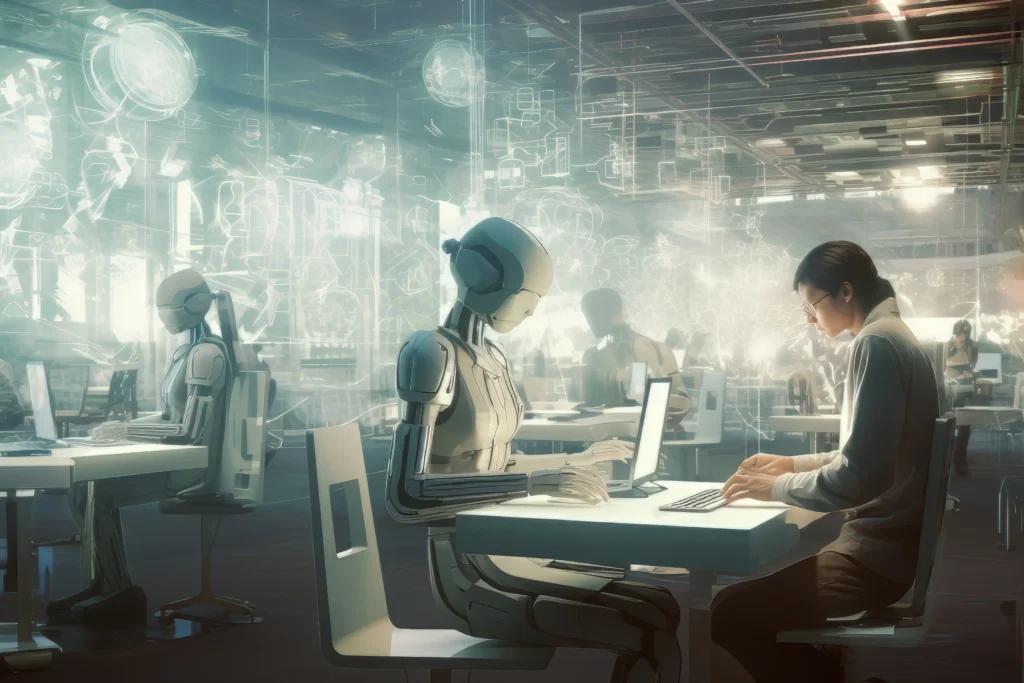
How Intelligent Technology Is Raising the Bar for Business Growth
Marketing has always been about one simple goal: helping the right people discover the right product or service at the right time.
That goal has not changed.
What has changed is the way businesses reach people.
Years ago, marketing meant placing ads in newspapers, printing posters, making phone calls, or depending on word of mouth. Later came websites, email, social media, and online advertising. Each step made marketing faster and more visible.
Today, we are seeing another powerful shift.
AI and automation are quietly reshaping how businesses communicate, sell, and build relationships with customers. This change is not dramatic or noisy. It happens behind the scenes, through smart systems that organize data, track customer behavior, and make marketing smoother and more effective.
This transformation is not only for large companies with big teams and large budgets.
Small businesses, freelancers, startups, and local shops are using the same intelligent tools to grow steadily and compete confidently in the digital world.
As a freelance digital marketing strategist in Kannur, I have seen how even simple automation can completely change the direction of a small business.
A Realistic Business Story
Let’s imagine a small business owner named Sameer.
Sameer runs a small electronics store in his town. Every morning, he opens his shop, cleans the counter, arranges the products, and waits for customers. He knows his products well and treats people politely.
But his marketing is weak.
He posts on social media only when he remembers.
He replies late to messages because he is busy with walk-in customers.
He sends the same offers to everyone.
He has no clear idea which products people are searching for online.
Some weeks are good. Some weeks are slow.
Sameer feels frustrated because he knows his business deserves more attention.
Then he starts using simple digital systems that include automation and data tracking.
He schedules posts for the entire week in one sitting.
He sets automatic replies for common questions like price, location, and timing.
He organizes customer contacts properly.
He tracks which products people click on most.
Gradually, things begin to improve.
People message him more often.
Customers visit after seeing his updates.
Old buyers return.
Sales become more predictable.
Sameer did not change his shop.
He did not hire new staff.
He simply improved how his marketing works.
This is what intelligent technology does. It does not replace effort. It multiplies its effect.
What “AI in Marketing” Really Means
When people hear the term AI, they often imagine robots or complicated machines.
In marketing, it is much simpler.
AI refers to smart systems that can:
Study customer behavior
Process large amounts of information
Identify patterns
Predict trends
Support better decision-making
Instead of manually checking reports for hours, businesses use tools that summarize what is happening and highlight what matters most.
This helps answer important questions:
What do customers prefer?
When are they active online?
Which campaign is working?
Which message is being ignored?
It turns marketing from guesswork into guided action.
What Marketing Automation Means in Practice
Automation is about creating systems that handle repetitive work on their own.
For example:
Sending welcome emails
Following up after a purchase
Scheduling social media posts
Replying to common questions
Organizing customer data
Tracking website visitors
Once these processes are set up, they run automatically.
This does not remove the human side of marketing.
It removes unnecessary repetition.
People can focus on planning, creativity, and building relationships.
Why This Matters More Today Than Ever
Modern customers are busy.
They scroll quickly.
They compare options.
They expect fast replies.
They want useful information, not noise.
If a business replies after two days, the customer may already be gone.
If an offer feels random, it gets ignored.
AI and automation help businesses stay responsive, organized, and consistent, even with limited time and small teams.
Major Benefits for Businesses
1. Time Becomes Available Again
Marketing includes many small tasks:
Posting updates
Sending messages
Sorting contacts
Recording activity
Automation handles these quietly in the background.
This gives business owners time to think clearly, improve their services, and plan long-term growth.
2. Communication Feels Personal
Instead of sending one message to everyone, businesses can communicate based on:
Past purchases
Interests
Location
Website activity
Engagement history
Customers feel recognized, not treated like numbers.
3. Decisions Become Clearer
Instead of guessing:
Which ad works
Which product sells better
Which time is best to post
Which audience responds
Businesses rely on actual data.
This reduces wasted effort and improves results.
4. Costs Stay Under Control
Automation reduces the need for large teams to handle basic marketing tasks.
Even small businesses can run professional-level campaigns using affordable tools.
5. Business Runs Even After Closing Hours
Messages are answered.
Emails are sent.
Campaigns continue.
Data is collected.
Marketing does not stop when the shop closes.
Where AI & Automation Are Commonly Used
Customer Support
Automatic systems help answer:
Store timings
Order status
Basic product questions
Location information
Complex issues are handled by humans.
Email Communication
Automated emails include:
Welcome messages
Follow-ups
Offers
Reminders
Feedback requests
Re-engagement messages
Sent based on customer actions.
Social Media Management
Tools assist with:
Scheduling posts
Monitoring messages
Tracking engagement
Measuring growth
Managing multiple platforms
Consistency builds trust.
Online Advertising
Smart systems adjust:
Who sees the ad
Where it appears
How budget is used
Which version performs better
This improves efficiency and return on investment.
Search Engine Optimization
Technology helps analyze:
Keywords
Competitors
Website traffic
User behavior
Ranking progress
SEO becomes structured instead of confusing.
Why Humans Still Matter Most
Technology can analyze data.
But it cannot:
Feel emotions
Understand culture deeply
Build trust naturally
Create meaningful stories
Make ethical choices
Customers connect with people, not machines.
The strongest marketing combines human creativity with intelligent systems.
Using Technology Responsibly
Smart tools must be used carefully.
Businesses should:
Respect customer privacy
Protect personal data
Avoid over-automation
Stay transparent
Keep human contact available
Monitor system errors
Technology should support relationships, not replace them.
Tools Are Helpful — Strategy Is Essential
Technology does not replace thinking.
Success still depends on:
Clear goals
Understanding customers
Choosing the right platforms
Creating meaningful messages
Measuring progress
Improving continuously
Tools execute.
Strategy guides.
What the Future Looks Like
Marketing will continue to become:
More personalized
More predictive
Faster
More data-driven
More customer-focused
Businesses that adapt early will grow steadily.
Those that ignore change may struggle.
Final Thoughts
AI and automation are not temporary trends.
They are becoming a natural part of modern marketing.
They help businesses:
Save time
Reduce mistakes
Improve accuracy
Strengthen communication
Build long-term customer relationships
But real success does not come from technology alone.
It comes from understanding people.
When smart systems work together with genuine human care, marketing becomes more than promotion.
It becomes connection.
And connection is what builds lasting growth.
shop.
He did not hire new staff.
He simply improved how his marketing works.
This is what intelligent technology does — it does not replace effort, it multiplies its effect.